
Small gardens. Practical skills. Local resilience.
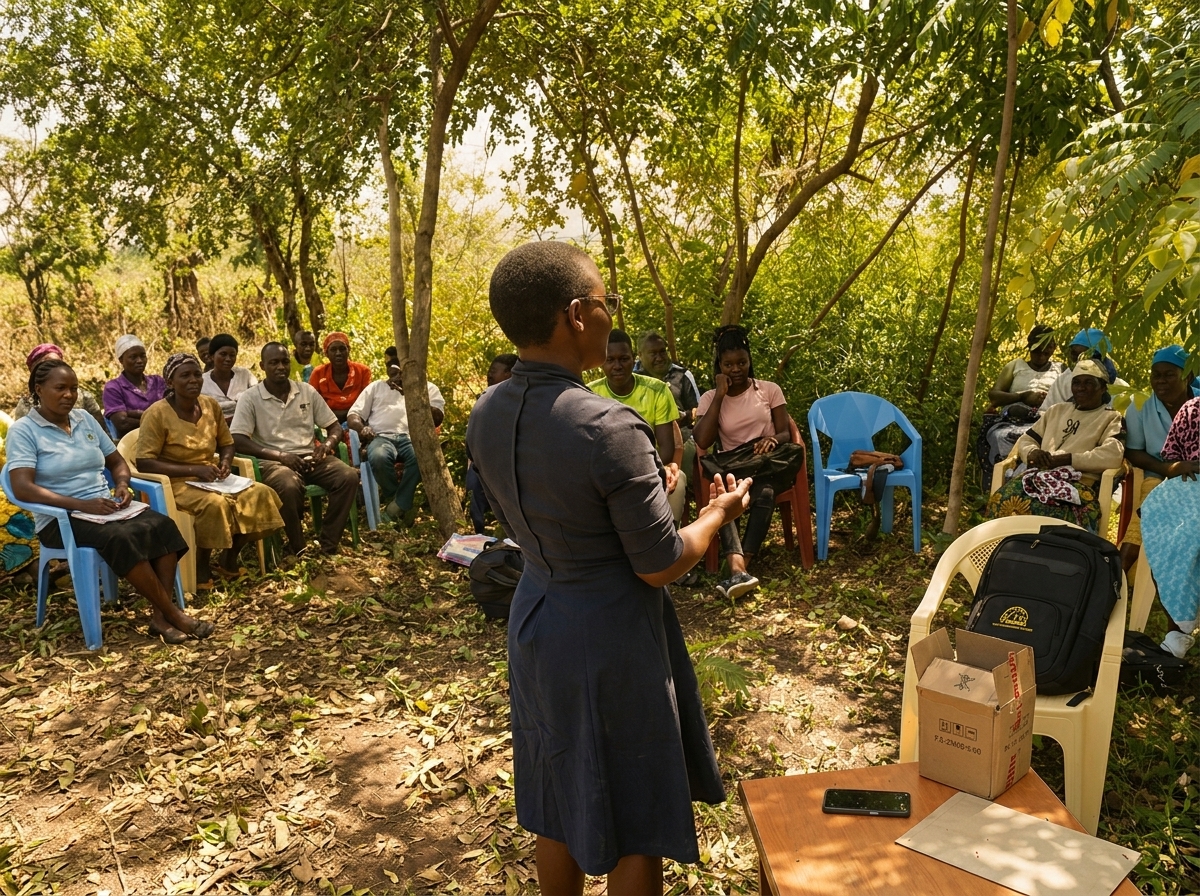
CSAWE’s impact starts with practical knowledge. We support women and youth in Kenya to learn climate-smart agriculture in a way that can be used directly in gardens, households, training spaces, and community groups. Our work is still growing, and we are honest about that. We are not here to overclaim. We are here to build carefully, learn from the field, and help knowledge continue locally.
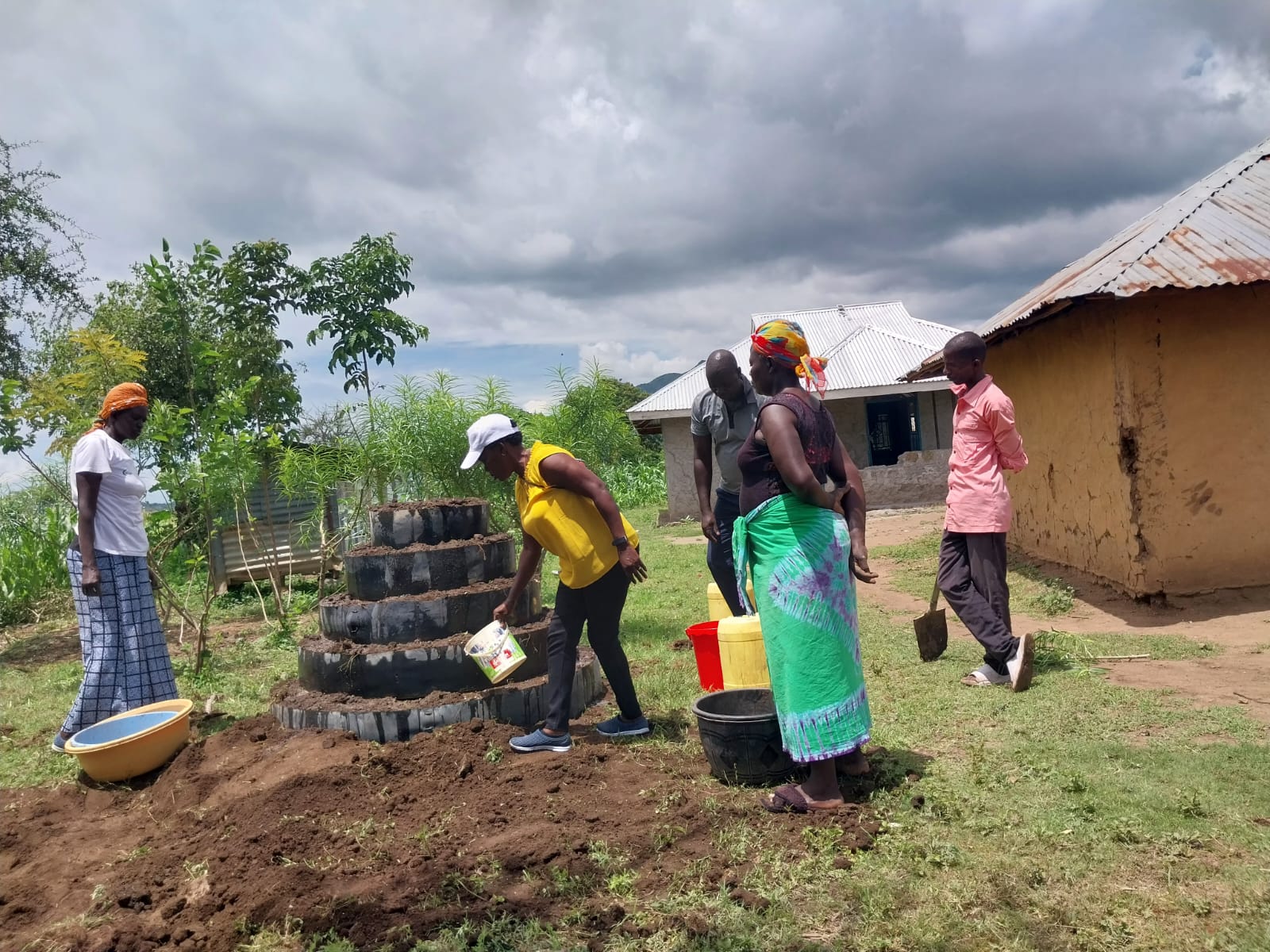
A small cone garden yielding sustainable, year-round nutrition for households.
What impact means to us
For CSAWE, impact is not only counted in numbers.
It is seen when someone learns how to grow food in a small space.
When a woman gains the confidence to teach others.
When a young person understands that agriculture can be practical, useful, and part of the future.
When knowledge does not disappear after one training, but stays in the community.
"A cone garden may look small. But when people learn how to build it, care for it, harvest from it, and share the method with others, it becomes more than a garden. It becomes food, skills, confidence, and local resilience."
What changes through CSAWE?
How our climate-smart agriculture curriculum transforms livelihoods, soil health, and community resilience.
Practical skills grow
Women, youth, trainers, and farmers learn how to build, plant, manage, and care for productive growing systems.

Food can be grown in small spaces
Cone gardening helps make vegetable production possible even where land access is limited.

Knowledge stays in the community
By training local people, CSAWE supports learning that can continue beyond one training day or one project visit.

Climate smart methods become accessible
Organic growing, soil care, water-conscious practices, crop diversity, and low-resource techniques become easier to understand and apply.
Women and youth take active roles
CSAWE creates learning spaces where women and youth are not only participants, but future trainers, organizers, and local leaders.
What we can show so far
CSAWE is still young, but the foundation is real. So far, CSAWE has:
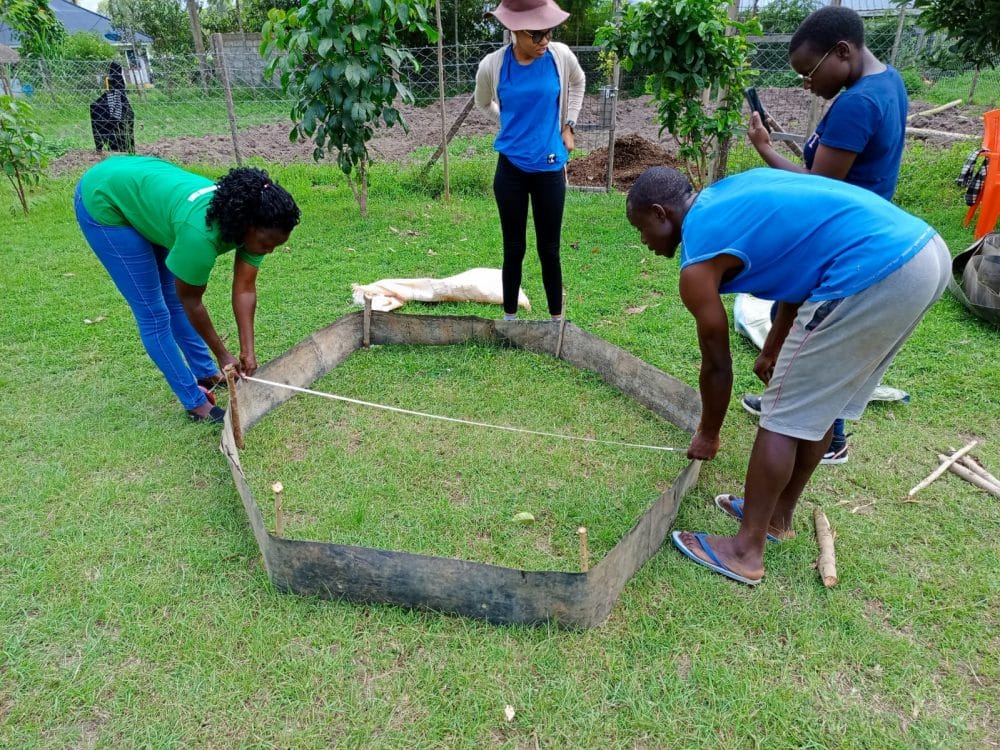
Farmer-led practical demonstration & capacity building in Homa Bay County.
How we are strengthening impact tracking
As CSAWE grows, we are becoming more careful about how we understand and document impact. We are developing a simple field monitoring system to follow training participation, garden establishment, crop production, farmer feedback, and local replication. We are working to track:
From Training to Local Community Replication
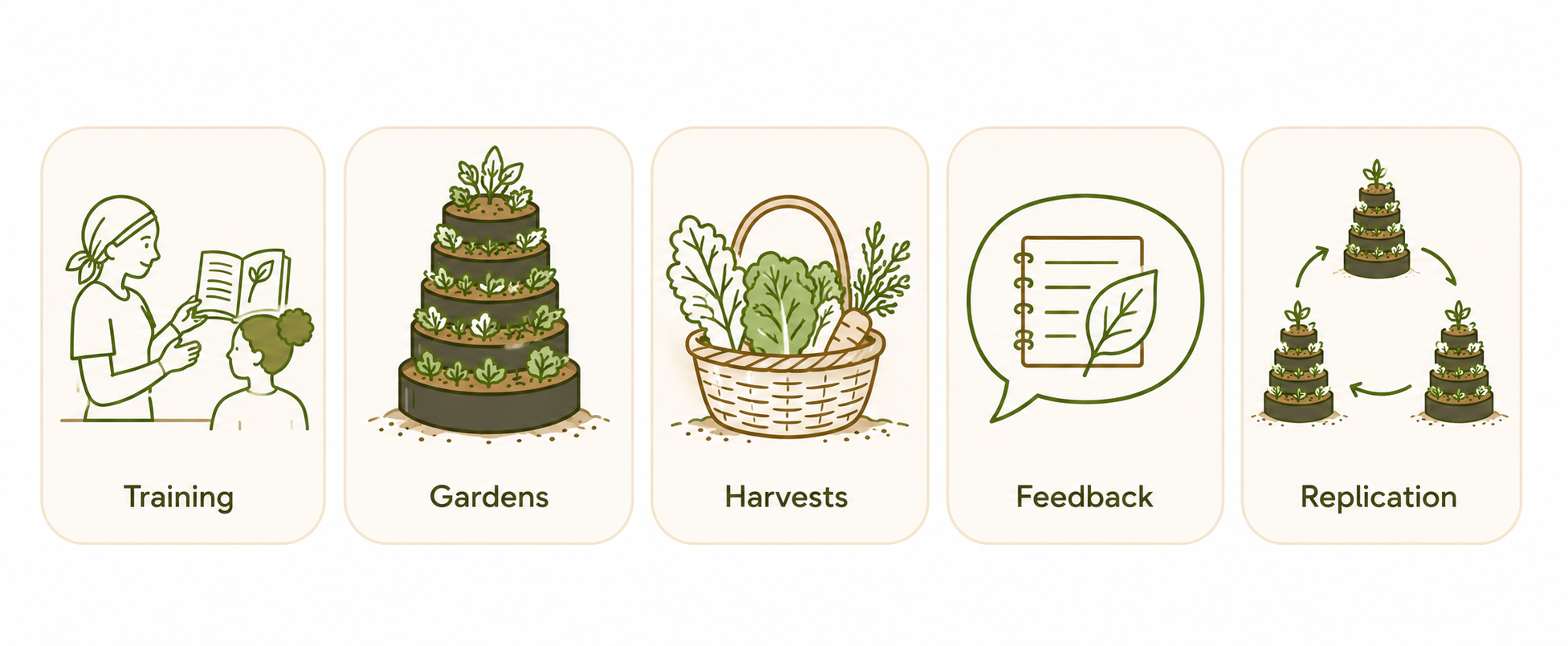
"Impact is not only something to announce. It is something to observe, document, learn from, and improve."
Voices from the field
Some of the most meaningful evidence comes from the people who were part of the work. Former trainers and participants help show what CSAWE’s training meant in practice — what they learned, what changed, and how the knowledge can continue locally.
"These voices matter because they remind us that impact is not only a report. It is also a lived experience."
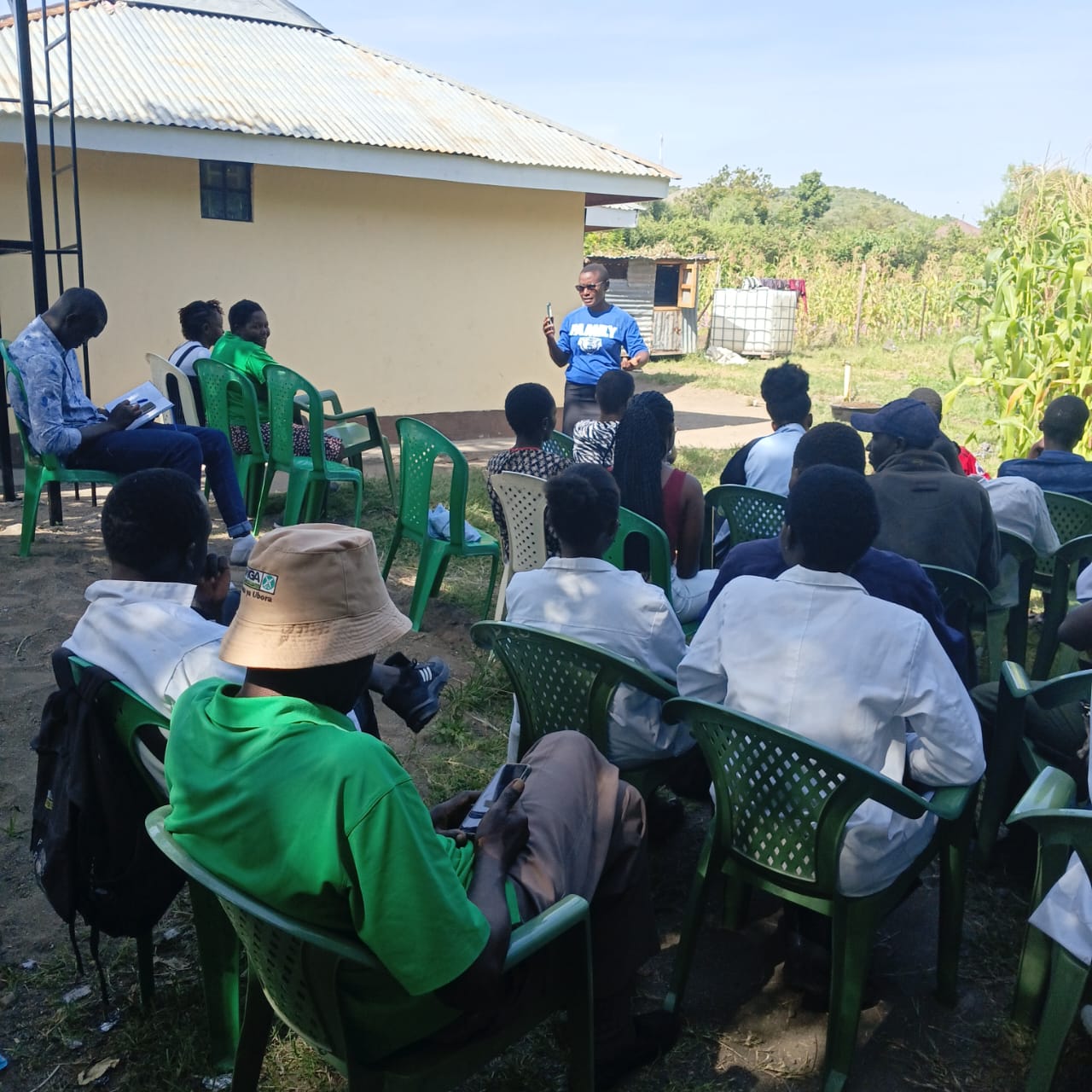
"When knowledge stays in the community, women and youth become the future trainers."
Why support matters
When knowledge becomes practical, it does not stay with one person. It can move from one garden to another, from one trainer to another, and from one community to the next.
Donations help us keep trainings practical: supporting training materials, seeds, trainer transport, demonstration plots, and follow-up with farmer groups. We also welcome partnerships that help strengthen farmer-led monitoring, agroecological practice, and evidence-based learning.
Support helps knowledge move from one training into many hands.